



In 2026, the transportation and logistics industry keeps shifting fast. Between rising road safety concerns, more strict government rules, and an added emphasis on safeguarding infrastructure, vehicle overloading is turning into a real headache for fleet operators globally. It’s not just an edge case problem anymore; it is happening often enough that companies are taking it more seriously.
For transport firms, overloading isn’t only a legal compliance matter; it’s also a hard financial exposure. Think about heavy penalties, unexpected vehicle downtime, higher maintenance spending, fuel inefficiencies, and reputational setbacks. All of those can hit profitability in very direct ways, sometimes all at once.
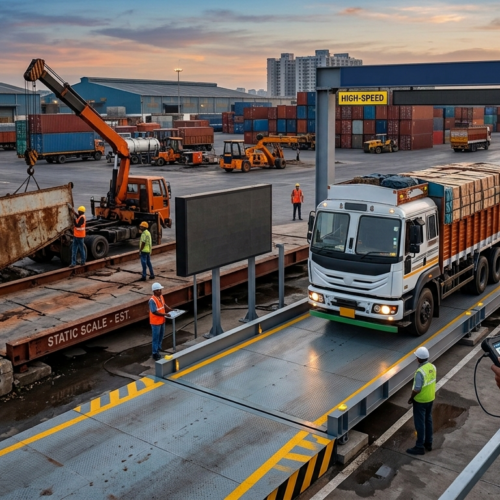
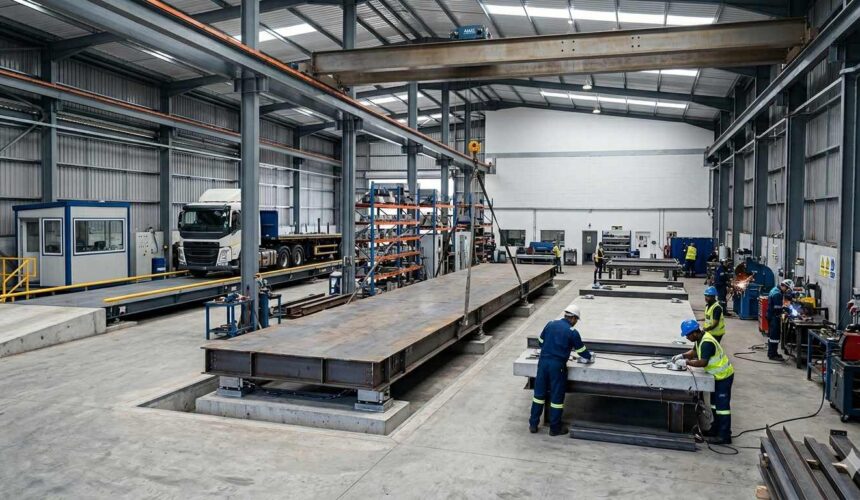
That’s where modern weighbridge technology comes in. A dependable weighbridge allows fleet operators to estimate vehicle weight properly before dispatch, so they stay aligned with regulations and avoid expensive, repeated violations. But there’s more: working with a seasoned Weighbridge Manufacturer can help the business keep more money over time, thanks to smoother operations and better risk control, less guesswork, and more control.
In this article, we’ll dig into the effect of overloading penalties in 2026, and we’ll look at how updated weighbridge solutions can guard your fleet, and yes, your bottom line too.
What is Overloading and What happens if a Vehicle is Overloaded?
Overloading a vehicle means it is carrying more weight than legally allowed. Operators who try to pack in a few extra kilos to make more deliveries often overlook how they could end up suffering way more than what they gain.
In fact, governments and transport authorities are cracking down quite hard. The days of hiding behind an overloaded vehicle are numbered with the new and powerful inspection systems, automated checkpoints, and digital compliance monitoring that can catch the culprits at every turn.
Thus, some of the major problems that overloading entails are:
- Enormous fines in cash
- Seizure of vehicle
- Revocation of operating licenses
- Higher insurance premiums
- Legal trouble if involved in accidents
- Damage to streets and infrastructure
- Shorter vehicle life period
For the companies that have big vehicle fleets, even a small number of violations each month can result in big losses.
Reasons That Explain Increase in Overloading Penalties in 2026
Tightened enforcement and bigger penalties in 2026 are due to a number of factors.
Every year, governments put billions of dollars towards building and repairing roads. When trucks are overloaded, they wear out roads faster, leading to potholes, breaks, and even major damage. By imposing harsher fines, a government makes a stronger stand against such harmful practices that lead to costly repairs.
It is more difficult to steer an overloaded truck, its stopping distance is longer, and it can even get tires blown out or break down. Authorities want to make sure people stay safe, so they are cracking down on the control of weight limits.
Taking Care of the Environment
Adding more tons to a vehicle means that it burns more fuel and pollution also goes up. Governments are big on sticking to their sustainability plans. That is why they are willing to push through tighter regulations to promote sound transportation practices.
Overloading’s Unexpected Expenses
The majority of fleet managers reckon the only real drawback of overloading is the regulatory fine. On the contrary, fines are quite often just a tiny fraction of the total expenses.
When a vehicle is laden with more load, it uses more fuel, as the engine will have to exert more effort running the additional weight. The extended presence of the surplus fuel costs might put a big dent in the operating costs.
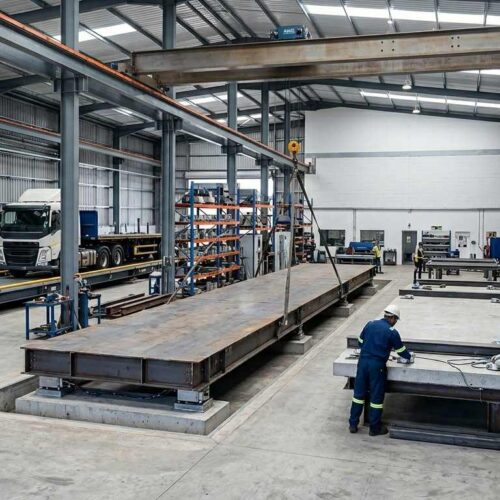
Industrial weighing areas are often quite tough environments. Top weighbridge manufacturers by using sturdy materials that can withstand the following:
- Heavy vehicle flow
- Weather extremes
- Continuous operating time
- Large amounts of load
Wear-resistant weighbridges would keep maintenance costs to a minimum and promise dependability over the years.
A large number of modern weighbridge systems are capable of linking with software platforms to provide real-time data access.
Fleet managers can:
- Instantly see vehicle weights
- Produce reports of compliance
- Study trends of operations
- Spot recurring problems
Having these kinds of insights allows companies to make well-thought-out decisions and boost the overall performance of their fleets.
Relying on manual record management not only takes a lot of time but it also leaves room for mistakes.
Weighbridge systems of the new generation rely on technology to cover the following:
- Capturing of weight
- Vehicular identification
- Data saving
- Report making
Automated paperwork is a helping hand for compliance checks and it also makes it easier to be a transparent operation-wise.
How Wegaibridges Save Fleets Millions
Many transport businesses see weighbridges as compliance-related costs. But, actually, they are a very good investment that brings the companies great financial results.
The major immediate benefit is being able to avoid getting fines for overloading and regulatory penalties.
One violation will already be very costly. Avoiding them will definitely save the company very large sums every year.
Using the weighbridge to find the real weight is giving the company a chance to plan vehicle loading at maximum capacity without exceeding the maximum gross weight.
Therefore, it is possible to:
- do the loading and planning better
- obtain better use of the vehicle for transportation
- get more profit from each trip
Vehicles that are loaded in a correct way are in less mechanical stress and, hence, need less repair and maintenance work.
What to Consider When Buying a Weighbridge
What decision-makers in companies should think about when looking for a weighbridge system in 2026:
Loading cells of a very high standard give the best and stable weight measurement results.
In choosing a system, look for one that has the capability for live tracking and report generation.
Automated Vehicle Identification
RFID, image recognition and other technologies can make vehicle tracking and weighing operations efficient.
The cloud-based systems enable the management to watch weighbridge operations from anywhere.
The weighing system, as the business grows, should be able to handle more traffic and data needs.
Conclusion
As overloading penalties keep going up through 2026, fleet operators really can’t afford to wing it when they’re managing vehicle loads. The money hit from regulatory fines, higher maintenance costs, fuel inefficiencies, and those annoying operational disruptions; it can all stack fast, sometimes reaching millions in avoidable expenses.
Putting money into a modern weighbridge system is, in many cases, one of the best ways to shield your business from those risks. When you lock in accurate weight measurement, strengthen compliance, and boost day-to-day operational performance, a dependable weighbridge supports profitability while still keeping you aligned with regulatory requirements.
And for organizations that want more advanced weighing solutions, Trakblaze brings innovative , accurate and long-lasting weighbridge systems made for modern fleet operations. With an emphasis on precision , dependability and technology-led performance, Trakblaze helps businesses lower overloading risks, fine-tune logistics workflows, and reach durable cost reductions over time.